
 By
By 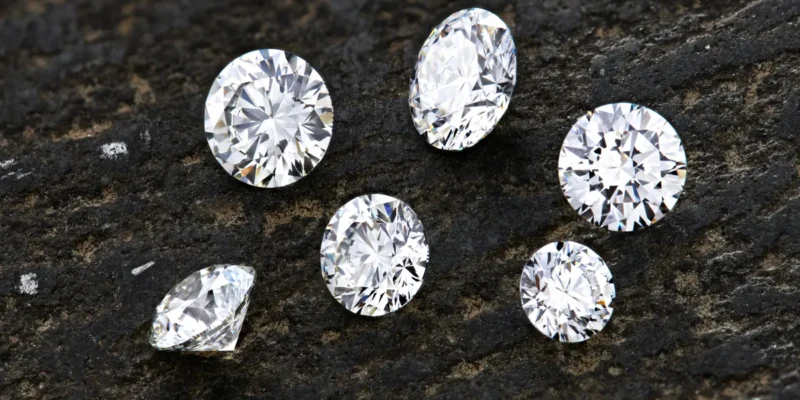
Diamonds have fascinated humanity for centuries, admired not only for their dazzling brilliance but also for their rarity, symbolism, and scientific intrigue. As the hardest known natural material, diamonds embody resilience, luxury, and timelessness. Understanding diamonds in depth requires exploring their geological formation, grading criteria, cutting and setting techniques, cultural significance, and modern innovations in synthetic diamond technology.
Geological Formation and Origins of Diamonds
Diamonds are formed deep within the Earth’s mantle under extreme temperature and pressure conditions, typically 90 to 120 miles beneath the surface. Over millions to billions of years, carbon atoms crystallize into diamond structures, a process that can take up to three billion years. Key geological aspects include:
- Volcanic Activity: Diamonds are transported to the Earth’s surface through volcanic eruptions in kimberlite and lamproite pipes, which act as natural conduits.
- Alluvial Deposits: Erosion can carry diamonds from primary sources to riverbeds and ocean deposits, creating alluvial mining opportunities.
- Carbon Source: The carbon atoms originate from deep Earth processes, recycled subducted organic carbon, or primordial carbon from the Earth’s formation.
Understanding the geological origin of diamonds highlights their rarity, natural value, and the immense timescales involved in their creation.
The 4 Cs of Diamond Quality
The value and desirability of a diamond are traditionally determined by the 4 Cs: Cut, Clarity, Color, and Carat weight. Each aspect influences both aesthetic appeal and market price.
Cut
The cut determines how well a diamond reflects light, impacting brilliance, fire, and scintillation. A well-cut diamond can appear larger and more radiant than a heavier but poorly cut stone. Popular cuts include:
- Round Brilliant: Maximizes light reflection for intense sparkle.
- Princess Cut: Square or rectangular shape with angular facets for modern elegance.
- Emerald Cut: Step-cut facets create a mirror-like effect and sophisticated appearance.
- Cushion, Oval, and Marquise: Unique shapes that enhance personality and style.
Clarity
Clarity refers to internal inclusions and surface blemishes. Diamonds are graded from flawless to included, indicating the presence and visibility of imperfections. High-clarity diamonds are rare and command premium prices, though many inclusions are microscopic and invisible to the naked eye.
Color
Diamonds are graded on a scale from D (colorless) to Z (light yellow or brown). Colorless diamonds allow maximum light refraction, enhancing brilliance. Fancy color diamonds, such as pink, blue, or yellow, are rare and highly valuable, often treated as collector’s items or investment pieces.
Carat Weight
Carat measures diamond weight, with one carat equivalent to 0.2 grams. Larger diamonds are exponentially rarer, and thus more valuable. Carat size must be considered alongside cut and clarity to ensure optimal visual impact and proportionality.
Diamond Cutting and Polishing
The transformation of a rough diamond into a polished gem is a meticulous and skill-intensive process. Steps include:
- Cleaving or Sawing: Dividing the rough stone to remove unusable parts and prepare it for shaping.
- Bruting: Forming the stone’s basic shape, often round, using another diamond.
- Faceting: Precision cutting of facets to enhance light reflection and aesthetic appeal.
- Polishing: Refining each facet for maximum brilliance and symmetry.
Expert craftsmanship ensures that each diamond reaches its full optical potential, enhancing both beauty and market value.
Cultural and Symbolic Significance
Diamonds carry profound cultural and symbolic meaning:
- Romantic Symbolism: Diamonds are globally recognized as symbols of eternal love, commonly featured in engagement rings and wedding jewelry.
- Status and Wealth: Historically, diamonds indicated power, prestige, and social hierarchy.
- Spiritual and Protective Properties: In some cultures, diamonds were believed to ward off evil, promote strength, or enhance clarity of thought.
Their enduring symbolism contributes to the emotional and financial value attributed to diamonds, making them more than mere decorative stones.
Modern Diamond Mining and Ethical Considerations
Diamond extraction has evolved significantly, with growing attention to ethical and environmental concerns:
- Traditional Mining: Kimberlite and alluvial mines remain primary sources, with mechanized extraction improving efficiency but sometimes raising environmental issues.
- Conflict-Free Diamonds: Certification systems, such as the Kimberley Process, aim to prevent diamonds from funding violence or exploitation.
- Sustainable Practices: Modern mining increasingly emphasizes reduced environmental impact, reclamation, and responsible labor practices.
Consumers now prioritize ethical sourcing and environmental stewardship when purchasing diamonds, influencing industry practices worldwide.
Synthetic Diamonds and Technological Advancements
Technological innovation has introduced synthetic diamonds, offering ethical alternatives to natural stones without compromising optical properties. Two primary methods are used:
- High-Pressure High-Temperature (HPHT): Replicates natural geological conditions to create diamonds with comparable hardness and clarity.
- Chemical Vapor Deposition (CVD): Grows diamonds atom by atom from a carbon-rich gas, allowing customization of color and size.
Synthetic diamonds are increasingly used in jewelry, industrial applications, and technology, including semiconductors, cutting tools, and optical devices. These innovations demonstrate how science merges functionality with luxury.
Industrial Applications of Diamonds
Beyond aesthetics, diamonds have practical industrial uses due to their unparalleled hardness and thermal conductivity:
- Cutting and Drilling Tools: Diamond-tipped saws, drills, and grinding wheels efficiently work with hard materials like stone, metal, and ceramics.
- Electronics and Optics: Diamonds serve as heat sinks, semiconductor substrates, and high-performance lenses in scientific equipment.
- Medical Instruments: Precision scalpels and surgical tools utilize diamond coatings for durability and sterility.
Industrial applications showcase diamonds as functional materials critical to modern technology, complementing their ornamental value.
Investment and Collectibility
Diamonds have historically served as investment assets due to their scarcity and market stability. Key considerations for investors include:
- Rarity and Certification: Certified diamonds with exceptional clarity, color, and size hold higher investment potential.
- Market Trends: Demand for high-quality, ethically sourced diamonds influences long-term value.
- Storage and Security: Proper handling, insurance, and secure storage are essential to protect value.
Collectible diamonds, especially rare colored stones, often appreciate over time, making them both personal treasures and financial assets.
FAQs About Diamonds
1. How do I verify the authenticity of a diamond?
Look for certification from recognized gemological institutes, such as GIA or AGS, which assess the 4 Cs and provide reliable documentation. Professional appraisal and laser inscription verification also enhance authenticity.
2. Are synthetic diamonds visually different from natural diamonds?
High-quality synthetic diamonds are virtually indistinguishable to the naked eye and can match natural diamonds in clarity, color, and cut. Specialized testing equipment can confirm origin.
3. How should I care for a diamond to maintain its brilliance?
Regular cleaning using mild detergent, ultrasonic cleaners, or professional polishing preserves sparkle. Avoid harsh chemicals, extreme temperatures, and impact to prevent damage.
4. What is the significance of fancy-colored diamonds?
Fancy-colored diamonds, such as pink, blue, or green, are rare and highly valuable. Their color results from trace elements or structural anomalies, enhancing uniqueness and collector interest.
5. Can diamonds be ethically sourced?
Yes. Conflict-free diamonds and certified ethical mining initiatives ensure responsible sourcing. Synthetic diamonds also provide an ethical alternative without environmental or social harm.
6. Why do diamonds appear more brilliant than other gemstones?
Diamonds have a high refractive index and exceptional light dispersion, producing intense sparkle and fire unmatched by most gemstones. Precision cutting further enhances optical performance.
7. Are diamonds a good long-term investment?
Rare, high-quality, and certified diamonds often retain or appreciate in value over time. Market research, certification, and secure storage are essential for investment purposes.
Diamonds combine natural wonder, scientific intrigue, cultural symbolism, and functional utility, making them unparalleled in both aesthetic and practical domains. From the depths of the Earth to the pinnacle of craftsmanship, diamonds represent resilience, luxury, and timeless beauty, appealing to collectors, investors, and admirers worldwide.








Comments