
 By
By 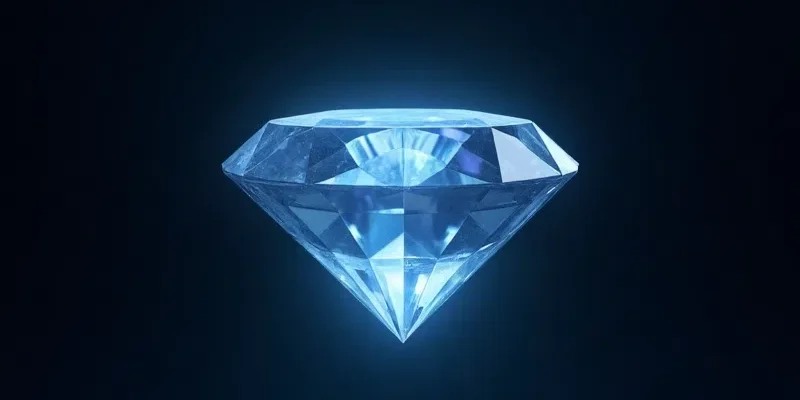
Introduction
Diamond, the most celebrated gemstone on Earth, is pure carbon crystallized under extreme heat and pressure. For centuries, it has symbolized beauty, rarity, and resilience. From ancient Indian mines to modern laboratories creating lab-grown alternatives, the story of the diamond is as brilliant as the stone itself. This article explores its formation, history, cultural impact, grading, industrial value, and future.
Formation, Geological Origins, and Physical Properties
Diamonds form deep within Earth’s mantle, typically 140 to 190 kilometers below the surface. They are carried upward through volcanic eruptions in kimberlite and lamproite pipes. Their atomic structure—carbon atoms bonded in a tetrahedral lattice—gives diamonds unmatched hardness, ranking 10 on the Mohs scale. Diamonds also excel in thermal conductivity and optical brilliance, making them both scientifically unique and aesthetically captivating.
History and Cultural Significance
Ancient Origins and Trade
India was the world’s only known source of diamonds until the 18th century. Ancient Sanskrit texts described diamonds as powerful stones that offered protection and strength. In Roman times, diamonds were believed to be fragments of stars or tears of the gods. Chinese traditions associated diamonds with warding off evil spirits, and early Greeks referred to them as “adamas,” meaning unconquerable.
The Golconda Legacy
The Golconda region of India produced some of the world’s most famous diamonds, including the Koh-i-Noor and Hope Diamond. These stones traveled through royal treasuries, shaping politics, wealth, and legends across continents.
Expansion Beyond India
By the 18th century, diamond deposits were discovered in Brazil, followed by major discoveries in South Africa in the 19th century. The South African mines transformed diamond availability, leading to global trade expansion and the rise of diamond companies that still influence the market today.
Diamond Grading and the 4Cs
The value of a diamond is determined by the 4Cs—cut, color, clarity, and carat weight.
-
Cut: Determines how well a diamond reflects light. Ideal cuts maximize brilliance and fire.
-
Color: Graded from D (colorless) to Z (light yellow or brown). Colorless diamonds are rare and highly prized.
-
Clarity: Refers to the presence of inclusions or blemishes. Graded from Flawless (F) to Included (I).
-
Carat Weight: Measures the weight of the diamond. Larger diamonds are rarer, but cut and clarity influence value equally.
Certification from organizations like GIA and IGI standardizes grading, giving buyers confidence in authenticity and quality.
Types of Diamonds
Natural Diamonds
Formed billions of years ago beneath the Earth’s crust, natural diamonds are rare and unique, each with distinct characteristics.
Lab-Grown Diamonds
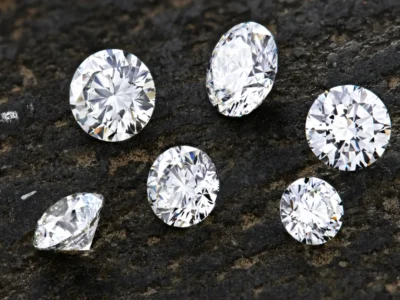
Created in laboratories using High Pressure High Temperature (HPHT) or Chemical Vapor Deposition (CVD) methods, lab-grown diamonds are chemically and physically identical to natural diamonds but often more affordable and eco-friendly.
Colored Diamonds
While most diamonds are white or near-colorless, fancy-colored diamonds occur naturally in hues such as blue, pink, yellow, and green. Famous examples include the Blue Hope Diamond and the Pink Star.
Famous Diamonds in History
-
Koh-i-Noor: Originating in India, this diamond is one of the most controversial and historically significant gems, now part of the British Crown Jewels.
-
Hope Diamond: Known for its striking blue color and reputation for misfortune.
-
Cullinan Diamond: The largest rough diamond ever found, weighing over 3,100 carats before being cut into several famous stones, some of which are in the British Crown Jewels.
-
Regent Diamond: A 140-carat diamond with a storied history involving French royalty.
Industrial Uses of Diamonds
Beyond jewelry, diamonds are indispensable in industry. Their hardness makes them ideal for cutting, grinding, and drilling tools. Diamonds are also used in electronics for heat dissipation and in optics for their transparency and durability. Advanced technologies increasingly rely on synthetic industrial diamonds for precision tasks.
Ethical and Environmental Concerns
The diamond trade has faced criticism over conflict diamonds, also known as blood diamonds, which fund armed conflict. The Kimberley Process was established to prevent such diamonds from entering the global market. Environmental concerns also arise from traditional mining methods, leading to the rise of lab-grown diamonds as a sustainable alternative. Consumers today are more conscious about sourcing, preferring ethically mined or lab-created stones.
Symbolism and Modern Relevance
Diamonds symbolize love, eternity, and strength, which explains their dominance in engagement rings worldwide. Modern marketing campaigns have reinforced this symbolism, making diamonds an emotional and cultural investment as much as a financial one.
The Future of Diamonds
The diamond industry is evolving with technology, sustainability, and shifting consumer values. Lab-grown diamonds are expected to capture a growing share of the jewelry market. Blockchain technology is being used to trace diamonds from mine to market, ensuring transparency and ethical sourcing. As younger generations prioritize sustainability, the definition of diamond value is expanding beyond rarity to include responsibility.
Conclusion
Diamonds are more than gemstones; they are cultural icons, geological marvels, and essential industrial materials. Their journey from deep Earth to sparkling jewelry boxes embodies both natural wonder and human craftsmanship. Whether natural, lab-grown, or industrial, diamonds remain one of the most significant substances known to humankind.
FAQs
1. What is the difference between a natural diamond and a lab-grown diamond?
Natural diamonds form over billions of years deep underground, while lab-grown diamonds are created in controlled environments. Both share identical physical and chemical properties.
2. Are colored diamonds rarer than white diamonds?
Yes, naturally occurring fancy-colored diamonds, such as blue, pink, or red, are much rarer than traditional white diamonds and can be more valuable.
3. What are conflict-free diamonds?
Conflict-free diamonds are stones sourced through regulated supply chains that ensure they are not used to fund violence or wars, often verified through the Kimberley Process.
4. Why are diamonds so hard?
Diamonds are hard because of their carbon atoms arranged in a rigid lattice structure, making them the hardest known natural material.
5. How do jewelers determine the value of a diamond?
Value is determined through the 4Cs: cut, color, clarity, and carat weight, along with certification from trusted grading organizations.
6. Can lab-grown diamonds be considered real?
Yes, lab-grown diamonds are real diamonds with the same chemical and physical properties as natural ones, though they are created through technology rather than geology.
7. Are diamonds a good investment?
Diamonds can hold value, especially rare or high-quality stones, but their investment potential depends on market demand, rarity, and certification.







Comments