
 By
By 
Introduction
Clothing is one of humanity’s most essential needs, but its role extends far beyond basic coverage. It offers comfort, projects identity, and reflects the values of society. In modern times, clothing is influenced by technology, culture, sustainability, and shifting consumer preferences. Understanding its evolution and significance helps us appreciate not only fashion but also how clothing impacts our daily lives.
Clothing as a Daily Necessity
Protection and Comfort
At its foundation, clothing is designed to protect us from environmental factors like heat, cold, rain, or wind. Cotton garments provide breathability in hot climates, wool insulates in cold weather, and synthetic fabrics are crafted for durability and performance. Comfort is often the first consideration in choosing daily wear.
Expression of Personality
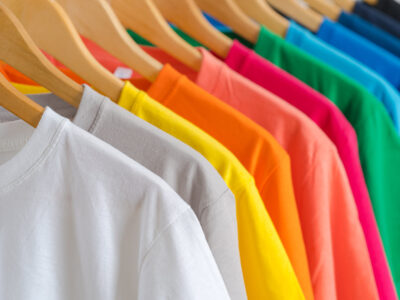
Clothing also reflects personality. Bright colors often symbolize energy and confidence, while neutral tones suggest sophistication and subtlety. Patterns, cuts, and styling choices allow individuals to communicate mood and identity without words.
Psychological Impact of Clothing
Studies suggest that clothing affects how we feel and how others perceive us. Wearing professional attire can boost confidence in the workplace, while relaxed loungewear encourages comfort and rest. Clothing thus shapes not only physical appearance but also mental state.
The Role of Culture in Clothing
Traditional Attire
Cultural clothing is deeply rooted in heritage and customs. From saris in India to hanboks in Korea, traditional attire represents history, rituals, and values. These garments are often passed down generations, connecting modern wearers to their ancestors.
Global Influence and Fusion
Globalization has blurred boundaries between cultures. Today, it is common to see fusion clothing that blends Western silhouettes with traditional fabrics. For example, modern designers create suits with ethnic prints or gowns with handwoven textiles.
Ceremonial and Festive Clothing
Clothing plays a vital role in celebrations. Wedding attire, religious garments, and festival outfits are designed with symbolism, color, and embellishment. These clothes hold deeper meaning beyond style, often tied to spiritual beliefs and family traditions.
Types of Clothing in Daily Life
Casual Wear
Casual clothing includes jeans, t-shirts, shorts, and sneakers. Designed for ease, this category dominates modern wardrobes and is particularly popular in urban settings.
Business and Professional Attire
Business wear, including suits, blazers, and formal dresses, represents authority and professionalism. The balance between comfort and sophistication is increasingly emphasized as workplaces adapt hybrid dress codes.
Sports and Activewear
Athletic clothing has expanded beyond the gym. Performance fabrics and ergonomic designs make sportswear suitable for both exercise and casual outings. The rise of athleisure has blurred the lines between comfort and style.
Seasonal Clothing
Seasons dictate clothing choices. Light linen and cotton are favored in summer, while coats, scarves, and layered wool dominate winter wardrobes. Transitional clothing adapts to shifting climates, reflecting both practicality and fashion.
Fabrics in Everyday Clothing
-
Cotton: Favored for comfort and versatility.
-
Wool: Insulating and ideal for colder regions.
-
Denim: Durable and timeless, central to casual fashion.
-
Silk: Smooth, luxurious, and often used for special occasions.
-
Synthetic Blends: Polyester and spandex dominate activewear due to stretch and durability.
-
Sustainable Textiles: Hemp, bamboo, and recycled fibers represent eco-conscious daily clothing choices.
Modern Trends in Clothing
Personalization and Customization
Consumers increasingly seek unique clothing pieces tailored to their preferences. Personalized embroidery, made-to-measure fits, and limited editions satisfy the desire for individuality.
Minimalist Wardrobes
Minimalism is shaping daily clothing trends. Capsule wardrobes, built with fewer but high-quality versatile garments, are gaining popularity among those seeking simplicity and sustainability.
Inclusivity in Fashion
Modern clothing embraces inclusivity. Adaptive clothing for differently-abled individuals, gender-neutral collections, and extended size ranges ensure that fashion caters to everyone.
Sustainability in Everyday Clothing
The Problem with Fast Fashion
Fast fashion encourages disposable habits, where clothing is bought cheaply and discarded quickly. This contributes to waste and environmental harm.
Conscious Consumer Choices
Shoppers are now rethinking their clothing habits by investing in long-lasting pieces, thrifting, and supporting ethical brands. Repairing and reusing clothes also help reduce textile waste.
Recycling and Upcycling
Recycling fabrics into new garments and upcycling old materials into fresh designs represent innovative solutions to everyday clothing sustainability.
Technology in Clothing
Smart Fabrics
Technology has given rise to fabrics with built-in sensors that monitor body temperature, adjust to climate, or enhance athletic performance.
Digital Fashion
Digital clothing allows people to purchase virtual garments for social media, gaming, or online avatars, reflecting the merging of technology and lifestyle.
3D Printing in Clothing
3D-printed textiles are gaining attention as futuristic innovations. They offer sustainable manufacturing options with minimal waste while unlocking bold new designs.
The Social Importance of Clothing
Clothing serves as a bridge between individuals and society. Uniforms create a sense of identity and belonging, while fashion trends reflect generational values. In schools, offices, and communities, clothing often sets standards that influence how people interact.
The Future of Everyday Clothing
The future of clothing lies at the intersection of sustainability, culture, and innovation. While smart fabrics and digital wardrobes will grow, there will also be a renewed respect for traditional craftsmanship. Consumers will demand both style and responsibility, ensuring clothing continues to evolve in harmony with modern values.
FAQs on Clothing
1. Why is clothing important in daily life?
Clothing is essential for comfort, protection, and expression. It influences confidence, identity, and how individuals connect with society.
2. What fabrics are best for everyday wear?
Cotton, denim, linen, and synthetic blends are best for daily wear due to comfort, durability, and versatility.
3. How do cultural clothes differ from modern fashion?
Cultural clothes symbolize heritage and tradition, while modern fashion emphasizes trends, convenience, and global influences.
4. What role does clothing play in self-expression?
Clothing reflects mood, personality, and lifestyle, allowing individuals to express themselves through colors, cuts, and styles.
5. How can everyday clothing be made more sustainable?
Opting for quality garments, recycling, upcycling, and choosing eco-friendly fabrics help make daily clothing choices more sustainable.
6. What is the impact of technology on clothing?
Technology has introduced smart fabrics, digital wardrobes, and 3D-printed designs that enhance performance, personalization, and sustainability.
7. Why is inclusivity important in clothing?
Inclusivity ensures clothing is accessible to all individuals, regardless of gender, ability, or body type, promoting fairness in fashion.







Comments