
 By
By 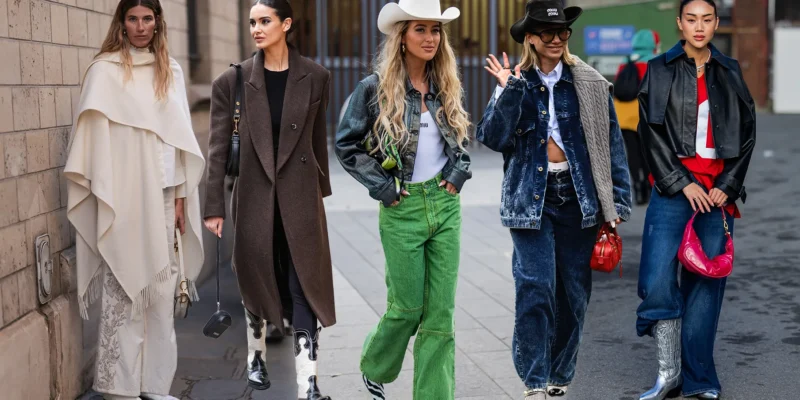
Introduction
Clothing has always been more than protection from the elements—it tells the story of civilization, identity, and innovation. Each culture, era, and generation has shaped unique clothing styles, making fashion an evolving language of expression. From handwoven traditional garments to futuristic smart fabrics, the journey of clothing reflects both history and modern aspirations.
Historical Evolution of Clothing
Ancient Civilizations
In early societies, clothing was tied to survival. Animal hides, woven grass, and simple fabrics protected communities from harsh weather. As civilizations advanced, clothing took on symbolic roles. Egyptians used linen to reflect purity and status, while Romans favored togas to signify citizenship and rank.
Medieval and Renaissance Clothing
Medieval fashion reflected class and hierarchy. Nobility wore elaborate gowns, brocades, and velvets, while peasants dressed in simple wool or linen. The Renaissance introduced artistry into clothing, with embroidery, lace, and rich colors emphasizing individuality and cultural rebirth.
Industrial Revolution and Mass Clothing
The invention of textile machinery in the 18th and 19th centuries transformed clothing. Mass production made garments accessible to wider populations. Standardized sizing, department stores, and ready-to-wear clothing reshaped the industry. This era also gave rise to the beginnings of fashion as commerce.
Types of Clothing by Function
Everyday Wear
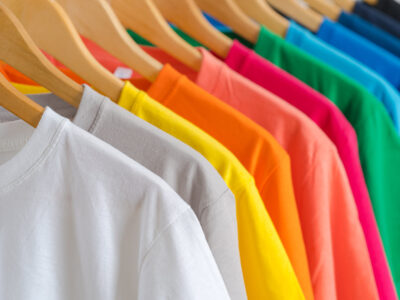
Casual clothing includes jeans, t-shirts, and everyday dresses designed for comfort. They dominate wardrobes globally due to versatility and practicality.
Formal Clothing
Suits, evening gowns, tuxedos, and sarees fall into formal categories. These garments emphasize elegance and are worn for special events like weddings, ceremonies, or business functions.
Functional and Workwear
Clothing for utility includes uniforms, protective gear, and sportswear. Designed for durability, these garments ensure safety and performance, from construction boots to athletic jerseys.
Traditional and Cultural Clothing
Each region of the world boasts traditional garments tied to heritage. Kimonos, saris, kilts, dashikis, and hanboks represent not only fashion but also history and values passed through generations.
Fabrics and Textiles that Define Fashion
-
Cotton: Soft, breathable, and globally popular for all-season wear.
-
Wool: Warm, insulating, and ideal for winter garments.
-
Silk: Known for its sheen and elegance, often associated with luxury.
-
Linen: Lightweight, breathable, and perfect for hot climates.
-
Denim: Durable cotton twill, central to casual wear and workwear.
-
Polyester & Nylon: Affordable and durable synthetics with modern applications.
-
Innovative Fabrics: Organic hemp, bamboo fibers, and recycled polyester represent the eco-friendly direction of future clothing.
Clothing as Identity
Fashion as Expression
Clothing has always been a medium to express identity, status, and mood. Streetwear communicates individuality and urban culture, while luxury fashion often conveys wealth and prestige.
Clothing in Social Movements
From suffragette white dresses symbolizing equality to black attire representing solidarity in modern campaigns, clothing has consistently been used as a powerful political and cultural statement.
Gender and Clothing
The boundaries of clothing by gender are blurring. Gender-neutral and unisex fashion is gaining traction, promoting inclusivity and diversity in modern society.
Global Clothing Influences
Asian Influences
Kimono-inspired silhouettes, saris, and embroidery techniques from Asia inspire global designers. Fabrics like silk and cotton from these regions dominate international markets.
Western Fashion Impact
Western fashion has driven global trends, from the rise of denim jeans to luxury fashion houses. Hollywood, music icons, and social media continue to shape how clothing styles evolve.
African and Indigenous Styles
Colorful prints, beadwork, and handwoven textiles from Africa and indigenous communities highlight authenticity and cultural storytelling through clothing.
Modern Clothing Trends
Streetwear and Youth Fashion
Streetwear is more than clothing; it’s a lifestyle. Sneakers, hoodies, oversized t-shirts, and graphic prints dominate youth culture and influence high-fashion runways.
Sustainable and Ethical Fashion
The demand for ethical clothing continues to rise. Consumers now seek garments made from eco-friendly fabrics and produced under fair labor conditions.
Digital Fashion
Virtual clothing for avatars, 3D-printed textiles, and AI-driven fashion design mark the next frontier. Digital fashion reduces waste and opens new possibilities in both gaming and real-world fashion.
Clothing and Sustainability
Impact of Fast Fashion
Fast fashion creates affordable trends but contributes heavily to textile waste, overproduction, and environmental pollution. It shortens the lifespan of garments, encouraging a disposable culture.
Conscious Consumer Choices
People are now embracing slow fashion, second-hand shopping, and wardrobe recycling. The focus is on buying fewer but higher-quality pieces designed to last longer.
Zero-Waste and Circular Clothing
Circular design ensures clothing is reused, repaired, or recycled. Zero-waste pattern-making and upcycling are gaining attention in the fashion industry as necessary practices.
The Future of Clothing
Clothing will continue to balance technology, culture, and sustainability. Smart fabrics with built-in sensors, customizable digital wardrobes, and biodegradable textiles will reshape the future. At the same time, traditional craftsmanship and cultural garments will remain relevant, reminding the world of fashion’s roots.
FAQs on Clothing
1. How did clothing evolve from survival to fashion?
Clothing began as protection but evolved into a symbol of status, culture, and personal identity through centuries of innovation and artistry.
2. What are the main categories of clothing today?
The main categories include everyday wear, formal wear, workwear, and traditional cultural clothing, each serving different functions.
3. Which fabrics are most popular for modern clothing?
Cotton, wool, silk, polyester, linen, and denim remain widely popular, while hemp and bamboo are emerging sustainable options.
4. How does clothing reflect cultural identity?
Traditional clothing symbolizes heritage and values, while modern fashion often blends global influences to create hybrid styles.
5. Why is sustainable fashion important?
It reduces environmental impact, supports ethical labor practices, and ensures clothing lasts longer while minimizing waste.
6. What role does digital fashion play in the industry?
Digital clothing reduces physical waste, allows virtual styling, and introduces innovation through 3D design and AI.
7. Is gender-neutral clothing the future of fashion?
Yes, gender-neutral clothing is expanding, reflecting inclusivity, diversity, and a shift toward breaking stereotypes in fashion.






Comments