
 By
By 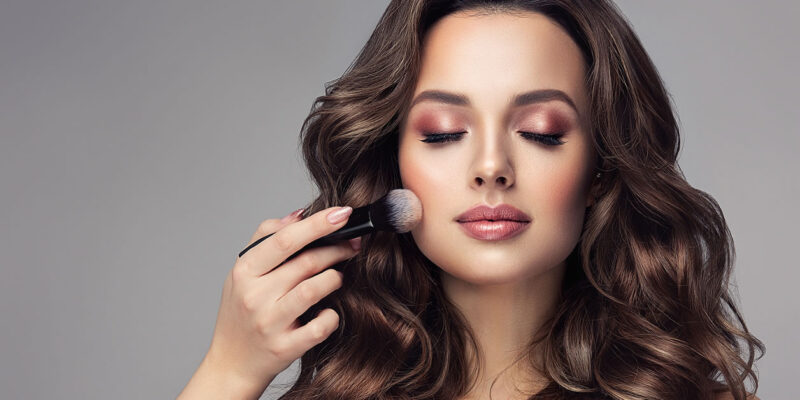
Beauty is a concept that transcends simple appearance. It encompasses aesthetics, self-expression, health, confidence, and even cultural and psychological dimensions. From the subtle glow of healthy skin to the artistry of makeup, fashion, and personal grooming, beauty influences how individuals perceive themselves and how they are perceived by others. Understanding the multifaceted nature of beauty requires examining its biological, psychological, and social underpinnings, as well as the science and practices that enhance it.
The Biological Basis of Beauty
Beauty is not purely subjective; it has deep biological roots. Evolutionary psychology suggests that human perception of beauty is influenced by traits associated with health, fertility, and genetic fitness. For example:
- Facial Symmetry: Symmetrical faces are often considered more attractive because symmetry is associated with developmental stability and genetic health.
- Skin Quality: Smooth, clear skin indicates health and nutrition, which explains why skin appearance strongly impacts perceived beauty.
- Body Proportions: Ratios such as the waist-to-hip ratio in women or shoulder-to-waist ratio in men play a role in perceived attractiveness, reflecting biological signals of fitness and vitality.
These biological markers are universal to some extent, though cultural preferences can shape which traits are emphasized in different societies.
Psychological and Emotional Dimensions of Beauty
Beauty also interacts with mental and emotional well-being. Studies show that personal grooming, makeup, and styling can boost self-esteem and confidence. The psychological aspects of beauty include:
- Self-Perception: Feeling beautiful can positively affect mood, social interactions, and performance in various settings.
- Emotional Expression: Cosmetic choices such as color, style, or makeup can communicate personality, emotions, and social signals.
- Cognitive Biases: The “halo effect” explains how people perceived as physically attractive are often assumed to possess positive traits such as intelligence or kindness, influencing social dynamics.
Beauty is therefore both experienced internally and projected externally, shaping interactions and social opportunities.
Cultural Interpretations of Beauty
Cultural norms and values greatly influence perceptions of beauty. Different societies have varied standards for body size, skin tone, facial features, and fashion aesthetics. Examples include:
- Historical Trends: Renaissance art emphasized fuller figures as symbols of wealth and fertility, while modern Western ideals often favor slim silhouettes.
- Regional Preferences: In East Asia, fair skin and delicate facial features are often highly valued, while other regions may prioritize darker, sun-kissed skin as a sign of vitality.
- Global Influence: Social media, celebrities, and global fashion trends have created cross-cultural standards that often blend traditional and modern ideals.
Understanding cultural context is crucial for appreciating the diversity of beauty standards and avoiding the misconception of a universal ideal.
Skincare: The Foundation of Beauty
Healthy skin is widely recognized as the cornerstone of beauty. A comprehensive skincare routine not only enhances appearance but also protects skin health. Essential components include:
- Cleansing: Removes dirt, oil, and pollutants, preventing breakouts and dullness.
- Moisturizing: Maintains hydration, elasticity, and barrier function.
- Sun Protection: Broad-spectrum sunscreen prevents premature aging, hyperpigmentation, and skin cancer.
- Targeted Treatments: Serums, exfoliants, and masks address specific concerns like acne, wrinkles, and uneven texture.
Advances in dermatology and cosmetic science have led to personalized skincare, where routines are tailored to individual skin types, conditions, and genetic factors.
Makeup and Cosmetic Enhancement
Makeup is both an art form and a tool for enhancing natural beauty. It allows individuals to highlight features, create artistic expression, and boost confidence. Key considerations include:
- Foundation and Concealer: Evens skin tone and addresses imperfections.
- Eye Makeup: Eyeliner, mascara, and eyeshadow accentuate eye shape and color.
- Lip Color: Lipsticks, glosses, and stains complement complexion and convey mood or personality.
- Innovative Trends: Highlighters, contouring, and color-correcting techniques create dimension and visual harmony.
Beyond aesthetics, makeup has psychological benefits, influencing self-perception and social interaction positively.
Hair as a Beauty Statement
Hair is a major component of personal beauty, offering versatility in style and expression. Hair health and styling contribute to overall attractiveness:
- Maintenance: Regular washing, conditioning, and trimming maintain texture and manageability.
- Styling: Haircuts, color treatments, and styling techniques reflect personality and creativity.
- Cultural Significance: Hairstyles often carry symbolic meanings in social, professional, or ceremonial contexts.
Haircare products increasingly integrate scientific formulations to strengthen strands, improve shine, and address scalp health.
Accessories and Beauty Synergy
Accessories complement beauty by enhancing outfits, framing the face, and reinforcing personal style. Examples include:
- Jewelry: Earrings, necklaces, and bracelets draw attention to facial features and skin tone.
- Scarves and Headwear: Frame the face and add texture or color contrast.
- Bags and Belts: Offer functional style that aligns with fashion aesthetics.
When thoughtfully chosen, accessories amplify natural beauty while expressing individuality.
Nutrition and Lifestyle Impact on Beauty
Beauty extends beyond external treatments; diet, exercise, and lifestyle significantly influence appearance. Essential factors include:
- Nutrition: Vitamins, minerals, and antioxidants support skin elasticity, hair strength, and nail health. Foods rich in vitamin C, omega-3 fatty acids, and zinc are particularly beneficial.
- Hydration: Proper water intake maintains skin moisture and prevents dullness.
- Sleep: Adequate rest allows for cellular repair and reduces signs of fatigue, such as dark circles or puffiness.
- Stress Management: Chronic stress accelerates aging processes, affects hormonal balance, and may trigger skin conditions.
Holistic approaches to beauty recognize that internal health manifests externally, making lifestyle as crucial as cosmetic practices.
Technological Innovations in Beauty
Advancements in technology have transformed beauty practices and accessibility. Innovations include:
- AI-Driven Skincare Analysis: Personalized product recommendations based on skin scans and predictive algorithms.
- Non-Invasive Treatments: Laser therapy, microdermabrasion, and radiofrequency treatments improve skin texture and appearance without surgery.
- Virtual Try-Ons: Augmented reality apps allow users to preview makeup, hair color, and accessories digitally.
- Sustainable Beauty Tech: Eco-conscious manufacturing and packaging reduce environmental impact while maintaining quality.
These innovations bridge science, fashion, and practicality, offering personalized solutions for diverse beauty needs.
Beauty as Empowerment
Beyond aesthetics, beauty serves as empowerment. The act of caring for oneself, experimenting with style, or expressing individuality fosters confidence and self-assurance. Beauty rituals can function as mindfulness practices, promoting mental well-being while enhancing outward appearance. Furthermore, inclusive beauty movements have emphasized diversity, challenging narrow standards and celebrating all skin tones, body types, and features.
Challenges and Ethical Considerations
The beauty industry faces challenges related to ethics, health, and sustainability:
- Misleading Claims: Some products exaggerate benefits or rely on unproven science. Consumers must seek evidence-based solutions.
- Environmental Concerns: Packaging waste, chemical pollution, and overconsumption raise sustainability issues.
- Body Image Pressures: Unrealistic beauty standards can impact mental health, necessitating education and awareness.
Responsible beauty practices prioritize transparency, safety, and holistic health.
FAQs About Beauty
1. How can I determine the best skincare routine for my skin type?
Identify your skin type (oily, dry, combination, sensitive) and select cleansers, moisturizers, and treatments accordingly. Consulting a dermatologist ensures personalized care.
2. Does diet really influence skin health?
Yes, nutrients like vitamins A, C, E, and omega-3 fatty acids support skin integrity, elasticity, and repair, while hydration and balanced nutrition prevent premature aging and dullness.
3. How do I incorporate cultural beauty practices safely?
Research traditional techniques and ingredients, ensure they are safe for your skin or hair type, and adapt them thoughtfully. Authenticity combined with safety enhances cultural appreciation.
4. Can makeup improve confidence without altering appearance drastically?
Absolutely. Subtle enhancement, such as concealer, mascara, or lip balm, can highlight features and boost self-esteem without drastic transformation.
5. How important is sleep for maintaining youthful skin?
Sleep is critical; during rest, the body regenerates cells, produces collagen, and repairs damage. Consistent quality sleep reduces wrinkles, dark circles, and puffiness.
6. Are sustainable beauty products effective compared to traditional ones?
Many sustainable products now match or exceed traditional formulations, utilizing plant-based ingredients, recycled materials, and innovative scientific processes to maintain efficacy while minimizing environmental impact.
7. How can technology help me make better beauty choices?
AI-powered apps, virtual try-ons, and skin analysis tools provide personalized recommendations, allowing you to experiment safely and efficiently while reducing waste.
Beauty is a dynamic intersection of biology, psychology, culture, and personal care. Thoughtful practices in skincare, makeup, haircare, nutrition, and accessory integration, combined with emerging technology and sustainable choices, empower individuals to express identity, maintain health, and cultivate confidence. Understanding beauty as a holistic concept ensures that it is both meaningful and sustainable in modern life.








Comments