
 By
By 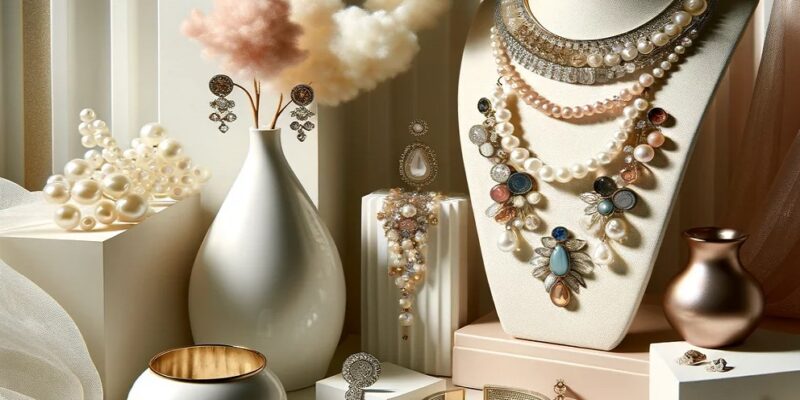
Accessories have always played a pivotal role in human culture, serving as more than mere adornments. They blend functionality, aesthetics, and self-expression, allowing individuals to elevate their appearance, communicate personal style, and even enhance practical performance in daily life. From jewelry and watches to handbags, belts, hats, and tech gadgets, the world of accessories is vast and nuanced. Understanding the depth, trends, and practical choices in accessories can transform an ordinary outfit into a statement and provide insights into cultural and societal evolution.
The Historical Significance of Accessories
Accessories are not a modern invention; their significance stretches back thousands of years. Early humans used shells, bones, and stones as personal ornaments, often symbolizing status, spiritual beliefs, or tribal affiliations. Over time, civilizations refined accessory craftsmanship. In Ancient Egypt, gold jewelry signified royalty and spiritual protection, while Roman and Greek cultures popularized rings, brooches, and decorative belts to denote social hierarchy and personal wealth. These historical roots highlight that accessories have long been instruments of identity and social signaling.
Types of Accessories and Their Functional Importance
Accessories can be categorized by both function and style. Each category serves unique purposes, ranging from practical benefits to purely aesthetic enhancement.
Jewelry
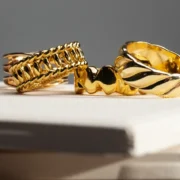
Jewelry is arguably the most iconic form of personal accessory. It includes necklaces, bracelets, earrings, rings, and brooches. Beyond aesthetic appeal, jewelry can carry symbolic meaning:
- Cultural Significance: In many cultures, jewelry represents milestones such as weddings, births, or religious rites.
- Social Status: Precious metals and gemstones historically signaled wealth and influence.
- Personal Expression: Modern jewelry allows individuals to express personality, align with fashion trends, or make bold statements.
Watches
Watches combine functionality and style. While their primary purpose is timekeeping, modern watches often integrate features like GPS, heart rate monitors, and contactless payments. Watches can also serve as a subtle indicator of sophistication and personal taste. Choosing a high-quality watch involves considering factors such as movement type (mechanical, automatic, or quartz), material, durability, and design aesthetics.
Bags and Handbags
Bags and handbags are essential accessories for carrying personal items while complementing fashion choices. Key considerations include:
- Material: Leather, canvas, and synthetic materials vary in durability, texture, and maintenance requirements.
- Design and Size: Structured handbags convey professionalism, while slouchy or tote bags project casual elegance.
- Functionality: Pockets, compartments, and straps impact convenience and usability for daily activities.
Belts and Scarves
Belts serve both decorative and functional roles, defining silhouettes while holding garments in place. Scarves, on the other hand, provide warmth, texture, and color contrast, adding depth to outfits. Patterns, materials, and tying styles can dramatically alter the accessory’s impact on overall style.
Hats and Headwear
Hats have evolved from protective gear to fashion statements. Sun hats, fedoras, berets, and baseball caps can enhance an outfit while offering practical benefits such as sun protection or warmth. Selecting headwear often involves balancing face shape, hairstyle, and outfit coordination.
Footwear as an Accessory
While shoes are primarily functional, designer footwear or statement shoes operate as accessories that reflect personality and fashion awareness. Sneaker culture, high-fashion heels, and artisanal boots have all demonstrated that footwear can influence social perception and self-expression.
Tech Accessories
Modern lifestyles have expanded the accessory category to include technology. Items such as smartwatches, wireless earbuds, laptop sleeves, and phone cases merge utility with style. Tech accessories often emphasize convenience, mobility, and personalization while reflecting trends in innovation and user experience.
Material Selection and Sustainability in Accessories
Material choice is fundamental in accessory design. Metals, leathers, fabrics, and synthetic alternatives affect aesthetics, durability, and environmental impact. Sustainability has become increasingly important as consumers demand ethical sourcing and environmentally friendly manufacturing. Brands now explore:
- Recycled metals and conflict-free gemstones in jewelry.
- Vegan leather alternatives made from cork, pineapple leaves, or recycled plastics.
- Eco-friendly textiles that reduce water consumption and chemical use.
Consumers are increasingly mindful of the lifecycle of accessories, preferring durable items over fast-fashion disposables, highlighting an intersection of style and ethical responsibility.
Accessory Trends and Cultural Influences
Fashion trends heavily influence accessory choices. Social media, celebrity endorsements, and street style have accelerated trend cycles, making accessories key tools for individual expression. Notable trends include:
- Minimalism: Sleek, understated designs emphasizing quality over quantity.
- Statement Pieces: Bold, oversized accessories that draw attention and create focal points.
- Customization and Personalization: Monograms, engraving, and bespoke designs enhance individuality.
- Tech Integration: Smart rings, LED handbags, and wearable tech accessories merge innovation with fashion.
Cultural heritage continues to inspire accessory trends. For example, traditional beadwork, ethnic prints, and artisanal craftsmanship from different regions have influenced global fashion markets, creating fusion styles that honor tradition while appealing to contemporary tastes.
Styling Accessories for Maximum Impact
Properly styled accessories can elevate personal appearance, reinforce brand identity, and project confidence. Key strategies include:
- Balance and Proportion: Avoid overcrowding; combine bold statement pieces with subtle, complementary items.
- Color Coordination: Match or contrast colors strategically to highlight specific outfit elements.
- Layering: Necklaces, bracelets, and rings can be layered thoughtfully to create depth and visual interest.
- Occasion Appropriateness: Casual, professional, and formal settings require distinct accessory choices to maintain appropriateness and impact.
Accessories in Professional and Social Settings
Accessories influence perception in professional and social contexts. For instance, a minimalist watch or a classic leather belt can communicate reliability and sophistication, whereas bright, unconventional items might express creativity and individuality. In social settings, accessories often function as conversation starters, reflecting personal tastes and cultural references.
Maintenance and Longevity of Accessories
To maximize the life of accessories, proper care is essential:
- Cleaning and Storage: Jewelry boxes, soft pouches, and anti-tarnish treatments prevent damage and maintain shine.
- Avoiding Overexposure: Sunscreen, perfumes, and water can damage certain metals and fabrics.
- Regular Inspections: Checking clasps, stitching, and functionality ensures longevity.
Investing in high-quality accessories often translates to long-term satisfaction, as durability reduces the need for frequent replacements.
Accessories and Personal Identity
Accessories serve as silent communicators of personal identity. They allow individuals to project confidence, creativity, cultural pride, and lifestyle preferences without verbal interaction. Choosing accessories thoughtfully enhances self-expression while providing functional benefits.
Future Directions in Accessories
The accessory market is continuously evolving, driven by innovation, sustainability, and digital integration. Emerging trends include:
- Smart Accessories: Beyond watches, smart jewelry and wearable health monitors will redefine utility and style.
- 3D Printing: Customizable designs allow for individualized pieces at lower costs.
- Sustainable Practices: Recycled, biodegradable, and ethically sourced materials will dominate high-end and mass-market accessories.
- Virtual and Augmented Reality: Digital accessories in virtual spaces will create new avenues for personal expression and social interaction.
As the boundaries between fashion, technology, and sustainability blur, accessories will become increasingly versatile and integral to lifestyle expression.
FAQs About Accessories
1. How do I choose accessories that complement my body shape?
Focus on proportion and scale. For example, long necklaces elongate the torso, while wide belts accentuate the waist. Experiment with shapes that balance or highlight your natural features.
2. Are statement accessories appropriate in professional settings?
Yes, if used strategically. Opt for one bold piece per outfit, such as a single necklace or watch, while keeping other accessories subtle to maintain professionalism.
3. How can I make my accessories last longer?
Store them properly, avoid water and chemicals, clean regularly, and inspect for wear and tear. Quality materials significantly extend longevity.
4. Can tech accessories be stylish without compromising functionality?
Absolutely. Modern tech accessories are designed to be both functional and fashionable. Look for sleek designs, color options, and modular components that integrate with daily attire.
5. How do I incorporate cultural heritage into my accessories?
Explore traditional patterns, materials, and craftsmanship. Mixing heritage pieces with contemporary outfits can create a unique, stylish fusion.
6. What are the most versatile accessories everyone should own?
Classic items like a quality leather belt, a minimalist watch, simple stud earrings, and a neutral handbag are timeless and adapt to various outfits and occasions.
Accessories remain a powerful medium for self-expression, functionality, and style. Thoughtful selection, maintenance, and understanding of trends ensure that they enhance personal appearance and communicate identity effectively. As fashion evolves, accessories will continue to bridge tradition, innovation, and individual creativity.





Comments